The Common Cold
We know how to prevent colds, why does everyone still get them?
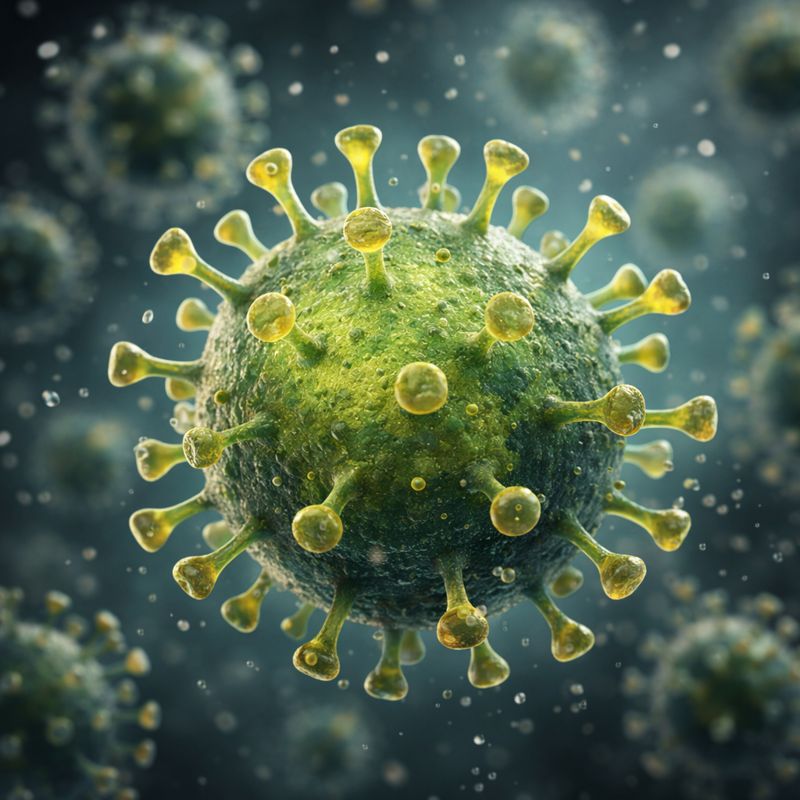
Today, adults average 2–3 colds per year and children even more, making the common cold the world's most common infectious illness (American Lung Association). Colds cause many pneumonia hospitalizations and can dangerously worsen conditions like asthma or COPD (Glanville et al.). The main culprit is rhinovirus, which causes about half of all colds (Stanford Medicine News Center), and there are at least 160 types of rhinovirus circulating (Stanford Medicine News Center; Jabr). Other viruses like coronaviruses and adenoviruses add to the problem, bringing the total to over 200 different viruses that cause colds (American Lung Association). The main bottleneck is that we have no vaccine or cure that works against this huge variety of viral strains – keeping colds at bay demands constant vigilance and luck. However, new approaches are emerging. Promising high-leverage strategies include: (a) multivalent vaccines targeting dozens of rhinovirus strains at once, (b) broad-spectrum antiviral drugs that attack host proteins all these viruses need, and (c) immune-boosting therapies that mimic the body's natural defenses. Each approach tackles the cold crisis from a different angle, and together they could finally make this ancient plague rare.
There are a number of promising approaches being explored to help:
1. Multivalent Vaccines – preventing colds by immunizing against many virus strains at once. Creating one vaccine for 160+ strains of rhinovirus (plus other cold viruses) has seemed impossible for decades (scientificamerican.com). Some innovations being developed here are:
(A) Cocktail vaccines mixing dozens of virus strains into one shot. Virologist Martin Moore has created an experimental vaccine containing 50 different rhinovirus types in one formulation (scientificamerican.com). In trials with rhesus macaque monkeys, this 50-strain vaccine successfully triggered broad immunity (scientificamerican.com). Moore's goal is to expand the vaccine to at least 80 strains, covering the most common and harmful rhinoviruses (scientificamerican.com). Unlike flu virus, rhinoviruses don't rapidly mutate – a vaccine covering dozens of strains could remain effective for years (scientificamerican.com).
(B) Universal vaccines targeting common elements shared by all rhinovirus strains. Researchers are hunting for a piece of the virus that all strains share (scientificamerican.com). A vaccine targeting such a universal element could theoretically protect against every rhinovirus with a single shot.
2. Broad-Spectrum Antiviral Drugs – stopping colds by targeting what viruses need from our cells. Right now, there is no approved antiviral drug for the common cold (lung.org). Treatments are mainly rest, fluids, and symptom relief (lung.org). Some innovations being developed here are:
(A) Drugs that block host proteins essential for virus replication. A Stanford-UCSF team discovered that an enzyme in our cells called SETD3 is essential for rhinoviruses and related viruses (med.stanford.edu). When they engineered mice that lack SETD3, the cold viruses could no longer replicate and the mice became completely immune (med.stanford.edu). Yet the mice stayed healthy, suggesting that temporarily disabling SETD3 doesn't harm normal cells (med.stanford.edu). A single pill someday might stop half of all colds by targeting this Achilles' heel (med.stanford.edu).
(B) Modified host defense peptides that attack viruses. Scientists like Dr. Peter Barlow are studying how to turn the body's natural antiviral peptides into medicines (scientificamerican.com). If researchers can stabilize these peptides to last longer in the body, we could have a drug that boosts virus-fighting peptides to wipe out the cold virus (scientificamerican.com).
3. Public Health Measures – reducing cold transmission through environmental interventions. While these won't "eradicate" viruses alone, they can dramatically reduce infections. Some key strategies being explored are:
(A) Better indoor ventilation and air filtration to remove viral particles. The world learned from COVID-19 that strategies like improved ventilation, HEPA filtration, and UV light disinfection can cut transmission of respiratory viruses. Applying these measures during peak cold season could reduce the number of infections significantly.
(B) Nanotechnology-based preventive sprays. Scientists are exploring whether nanoparticle-based gels or sprays that coat the inside of your nose with virus-trapping particles could prevent infection altogether, acting as a physical barrier to cold viruses.
References
"Facts About the Common Cold." American Lung Association, www.lung.org/lung-health-diseases/lung-disease-lookup/facts-about-the-common-cold.
Glanville, Nicholas, et al. "Cross-Serotype Immunity Induced by Immunization with a Conserved Rhinovirus Capsid Protein." Nature Communications, vol. 7, 2016, article 12838, www.nature.com/articles/ncomms12838.
"In Human Cells and Mice, a Cure for the Common Cold?" Stanford Medicine News Center, 16 Sept. 2019, med.stanford.edu/news/all-news/2019/09/in-human-cells-and-mice-a-cure-for-the-common-cold.html.
Jabr, Ferris. "Why Haven't We Cured the Common Cold Yet?" Scientific American, www.scientificamerican.com/article/why-havent-we-cured-the-common-cold-yet/.